
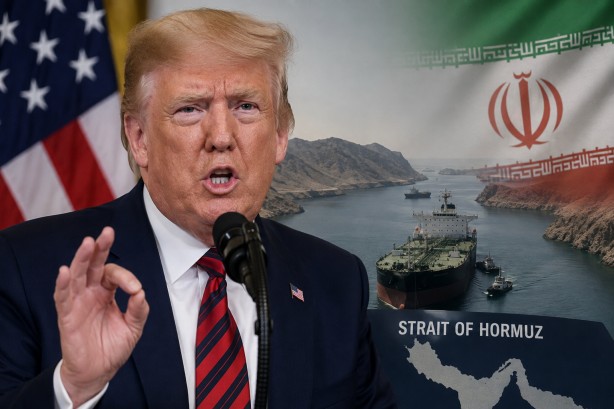
In a stark warning to Gulf states, Iran has cautioned that any new US military strike on its soil could lead to retaliatory actions against critical energy infrastructures across the Gulf region. This alert comes as tensions remain high following US President Donald Trump’s threat to target Iran’s energy facilities. Iranian Foreign Minister Abbas Araqchi reportedly engaged in talks with senior officials from Saudi Arabia, Qatar, Turkey, and Pakistan, urging them to dissuade the United States from pursuing further military aggression.
During these discussions, Iran underscored its readiness to launch counterattacks on US assets and vital regional energy sites if provoked. While emphasizing that diplomacy is the preferred approach, Iran made it clear that it would not hesitate to respond militarily if necessary. The potential targets mentioned in Iran’s warning include oil facilities, refineries, power grids, water infrastructure, transport networks, and oil fields, raising concerns about the possibility of significant disruptions to the Gulf’s energy supplies and regional stability.
The situation has prompted Saudi Arabia to advocate for a focus on negotiations over military escalation. Saudi officials have emphasized the importance of resolving the conflict through diplomacy while also asserting their right to defend the nation against any attacks. The delicate balance sought by Saudi Arabia and other regional leaders reflects the urgent need to prevent a broader conflict that could have serious implications for global energy markets.
As regional leaders continue to push for diplomatic solutions, the potential for renewed hostilities looms large. The prospect of an escalation that could disrupt crucial energy supplies is a growing concern among Gulf states and beyond. The ongoing efforts to encourage dialogue and avoid military confrontation highlight the delicate nature of the geopolitical landscape in the region.