
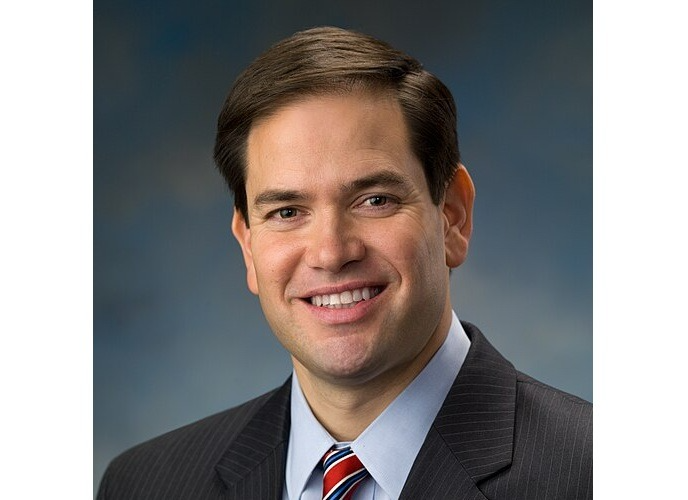
U.S. Secretary of State Marco Rubio has clarified that a proposed $14 billion arms deal with Taiwan is not on hold, dispelling rumors of a pause by stating that it is undergoing the typical review process. Addressing the U.S. Senate, Rubio emphasized that the review is part of standard procedure due to the package’s considerable size and its potential implications for U.S. defense production capabilities. The package’s status came into question after President Donald Trump allegedly suggested using it as a bargaining chip in discussions with Chinese President Xi Jinping. Additionally, remarks from a senior U.S. defense official regarding the reassessment of some weapons transfers to ensure sufficient military stockpiles further fueled speculation.
Rubio noted that in December, the U.S. authorized an arms sale to Taiwan valued at approximately $11 billion, the largest in American history of such transactions. This decision faced strong opposition from China, which responded by escalating its military activities in the vicinity of Taiwan. Despite these tensions, Rubio affirmed that U.S. policy toward Taiwan remains unchanged and that decisions concerning arms sales do not involve consultations with Beijing. He underscored the importance of maintaining stability and the current status across the Taiwan Strait.
The ongoing review of the $14 billion arms package is part of a routine administrative process, according to Rubio, who rejected the notion that the package is “paused.” He highlighted the necessity of such evaluations due to the significant scale of the package and its potential impact on national defense capabilities. The secretary’s comments come amidst heightened scrutiny of U.S. arms sales to Taiwan, a longstanding point of contention in U.S.-China relations.
While the proposed arms sale remains under consideration, no definitive decision has been made. Rubio’s remarks seek to clarify the current status of the package while reinforcing the U.S. commitment to Taiwan’s defense. As discussions continue, the focus remains on ensuring that any decisions align with U.S. strategic interests and contribute to regional stability.