
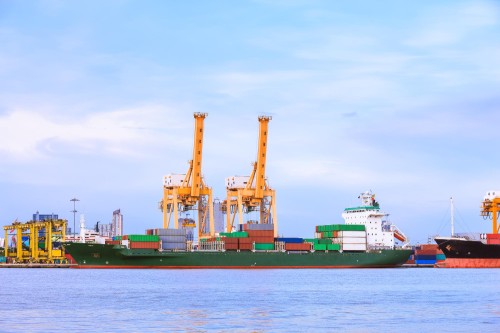
Europe is grappling with a new wave of economic challenges from China, potentially leading to significant job losses and increased industrial dependency on Beijing. Concerns are mounting as the influx of Chinese components into the European Union’s supply chain deepens, a situation reminiscent of the “China shock” experienced in the U.S. 25 years ago. This term originally described the overwhelming impact of China’s entry into the World Trade Organization, which had resulted in a substantial displacement of local industries and job losses. Jens Eskelund, president of the European Chamber of Commerce in Beijing, emphasized the growing dependency on Chinese imports, particularly components, rather than finished goods like electric vehicles.
With China’s influence expanding, the EU faces critical decisions. A recent report suggests that the bloc may require European companies to source essential components from at least three different suppliers. This comes amid concerns about China’s state subsidies and currency fluctuations, which have made Chinese products more competitive. Jürgen Matthes, a German economist, noted that the yuan might be undervalued by as much as 40% against the euro, putting European companies in a difficult position. Oliver Richtberg from the VDMA highlighted the challenges faced by industries, citing a loss of 22,000 jobs in Germany’s machinery industry last year due to these pressures.
Moreover, the trade imbalance continues to grow, with China’s surplus with the EU increasing significantly. The impact of EU tariffs on Chinese electric vehicles seems negligible due to exchange rate dynamics. Andrew Small from the European Council on Foreign Relations pointed out that current EU measures are insufficient to address the high levels of imports from China. The situation has led to significant job losses, especially in Germany, where the car manufacturing sector alone lost about 51,000 jobs between 2024 and 2025.
In response, the EU has proposed legislative measures like the Industrial Accelerator Act and an update to the Cyber Security Act of 2019, aimed at protecting the industry. However, these won’t be effective until 2027, leaving European industries vulnerable in the meantime. Small emphasized the need for immediate solutions, noting that tariffs are not a viable option due to the political effort required and their limited impact. Meanwhile, China’s strategic position allows it to potentially disrupt EU countermeasures, maintaining its export flow.
The growing reliance on Chinese imports is a significant concern for Europe, with experts warning that it could evolve from an economic issue to a security threat. As European industries face deindustrialization, with Germany losing thousands of jobs monthly, the urgency for effective measures becomes more pressing. Eskelund highlighted the existential worry of increasing reliance on China, stressing the need for the EU to address this issue before it escalates further.