
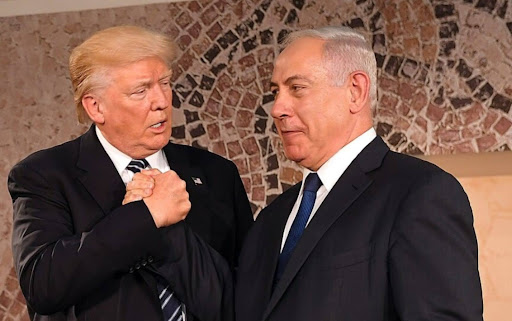
The US-Israel war against Iran has achieved significant military results — Iranian capabilities have been degraded, the nuclear program has been set back, and Tehran’s regional influence has been reduced. But the Trump-Netanyahu alliance has not achieved the strategic alignment that would make those military results sustainable and translatable into lasting political outcomes. The unfinished business of aligning two leaders with different definitions of victory is the most important task facing both governments as the conflict enters its next phase.
Alignment requires both leaders to engage honestly with what each other’s objectives actually require. Trump’s nuclear containment objective is achievable but temporary unless it is backed by either a sustainable deterrence arrangement or the political transformation that Netanyahu advocates. Netanyahu’s transformation objective is ambitious but indefinite unless it is grounded in specific, achievable military and political benchmarks that connect it to the concrete progress Trump’s campaign has made.
The path to alignment probably lies somewhere between Trump’s bounded objective and Netanyahu’s maximalist vision. A framework that combines nuclear containment as an achievable near-term goal with meaningful political change in Iran as a longer-term aspiration — and that defines what “meaningful” looks like in terms both leaders can accept — would reduce the strategic divergence that South Pars expressed and that Gabbard confirmed.
Getting there requires both leaders to move. Trump would need to accept that nuclear containment alone may not produce a durable “never” — that some degree of political change in Iran is necessary to make the military gains stick. Netanyahu would need to accept that the full regional transformation he envisions may not be achievable within the current conflict’s timeframe — that bounded progress toward a less dangerous Iran is a legitimate and valuable outcome even if it falls short of his generational ambition.
Whether Trump and Netanyahu have the political will and the strategic flexibility to achieve this alignment is uncertain. But the alternative — continuing to manage their divergences episode by episode, through public rebukes and narrow concessions — is becoming more expensive with each South Pars moment. The unfinished business of alignment is the most important strategic agenda item the two leaders share.