
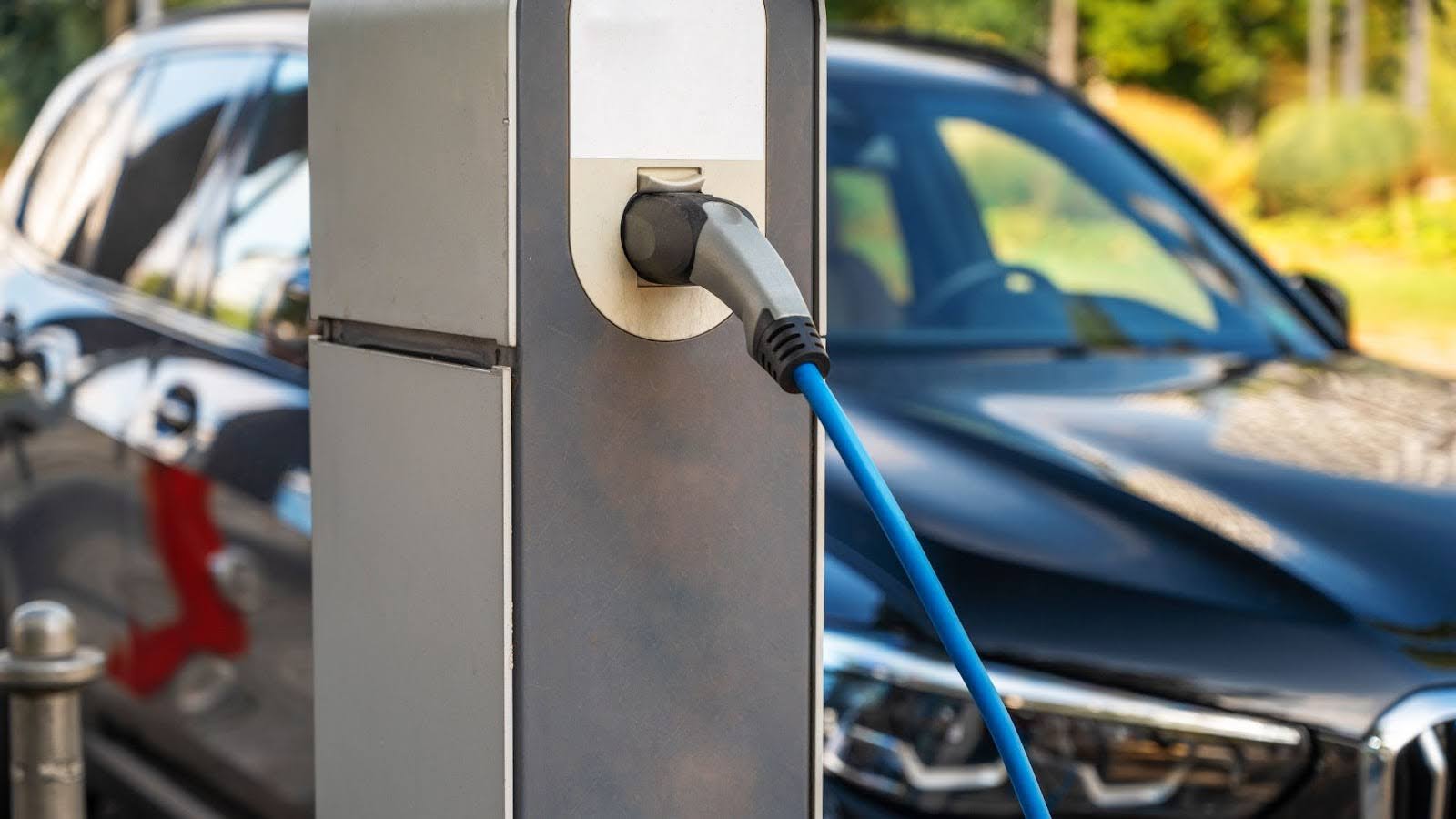
June’s automotive market data, when it is eventually compiled and published, will almost certainly show the Iran conflict’s fingerprints across the US interest in electric vehicles statistics. EV search data is already documenting a 20 percent surge over three weeks, and industry analysts at both CarEdge and Edmunds are predicting that this behavioral shift will translate into measurably stronger EV sales figures in the months ahead. Electric vehicles may well win the month in terms of market momentum. The bigger question is whether they can win the year.
The monthly win is being delivered by $3.90-per-gallon gasoline — the highest national average in nearly three years — generated by Iran’s closure of the Strait of Hormuz following US and Israeli military strikes. That waterway carries roughly one-fifth of global oil supply, and its disruption has created the sustained financial pressure that is producing measurable behavioral shifts in the US automotive consumer market.
CarEdge’s Justin Fischer said the behavioral shift has characteristics that suggest it may prove more durable than previous gas-price-driven waves. The used EV market at sub-$25,000 prices provides an affordable action channel. Consumer familiarity with EVs is higher than at previous high-gas-price moments. And the conflict shows no sign of quick resolution, suggesting the financial pressure may persist long enough to push current research activity into actual purchasing behavior.
Edmunds’ Jessica Caldwell offered a more cautious perspective on the year question. She noted that structural barriers — policy instability, charging infrastructure gaps, automaker retreats from EV investment — have reliably limited the durability of previous gas-price-driven EV interest surges. Whether this surge is different in the ways that matter for sustained market growth will be determined by factors that extend beyond the current price environment.
The month is already won. Whether the year follows depends on gas prices staying elevated long enough for purchasing behavior to shift meaningfully, infrastructure expanding quickly enough to support new owners, and policy providing enough stability for manufacturers to respond to renewed demand with adequate supply. US interest in electric vehicles is at its highest in years — now the question is whether the ecosystem can sustain it.