
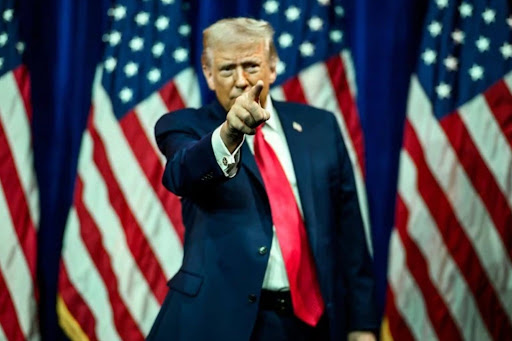
President Donald Trump flatly refused to accept Iran’s official narrative about the ceasefire negotiations on Thursday, demanding through Truth Social that the real story — which he claimed showed Iranian negotiators begging for a deal — come out into the open where it could form the basis of genuine engagement. Trump described the gap between Iran’s public narrative and the private reality as both dishonest and dangerous, and warned that continuing to maintain the false narrative would lead to consequences from which there would be no recovery. The refusal to accept Iran’s story was a deliberate and strategic communication choice.
The US ceasefire proposal covers 15 provisions and includes significant incentives for Iran to engage genuinely, including sanctions relief, a nuclear rollback, missile restrictions, and the restoration of international access to the Strait of Hormuz. The Strait of Hormuz is a globally vital energy route, channeling approximately one-fifth of world oil supply. Iran’s rejection of the comprehensive plan has been the defining obstacle to a diplomatic breakthrough.
Tehran has publicly articulated its own peace conditions through state television, including demands for protection of its officials from targeted strikes, formal no-war guarantees, war damage reparations, and internationally recognized authority over the Strait of Hormuz. These conditions reflect a fundamentally different vision of what peace requires from what Washington has proposed. Closing the gap between the two sides is the central challenge of the moment.
The conflict has produced immense human suffering. Over 1,500 Iranians and nearly 1,100 Lebanese have been killed, with further casualties in Israel and the region. Thirteen US troops have died, and millions of civilians in Iran and Lebanon remain displaced from their communities.
Trump’s refusal to accept Iran’s narrative on Thursday was a significant moment in the diplomatic standoff. Military operations continue even as diplomatic channels remain open, and the tension between these two realities makes the current moment extraordinarily delicate. Iran must stop managing its narrative and start managing toward peace before the window to do so closes entirely.y