
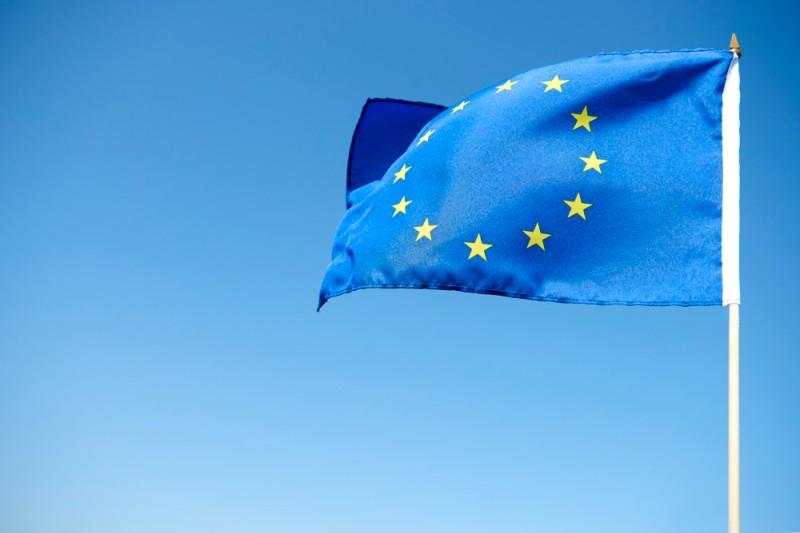
The European Union is taking significant steps to reduce its reliance on China by diversifying its supply chains, amid rising concerns over trade imbalances and access to essential resources. European Commission President Ursula von der Leyen announced the preparation of a new law aimed at prompting companies to seek alternative sources for crucial supplies. This legislative move comes as businesses face criticism for their slow pace in mitigating risks associated with dependency on a single market.
The urgency of this issue was underscored when China recently imposed export restrictions on certain vital minerals, exposing vulnerabilities within global supply chains. EU officials argue that increased diversification is essential to bolster economic resilience and safeguard strategic industries. The need for a balanced economic relationship has been amplified by the EU’s significant trade deficit with China, which has sparked calls for a reevaluation of trade dynamics.
In response to these challenges, European leaders are advocating for dialogues with key trading partners to address global economic imbalances. They are also considering whether additional trade measures might be necessary to achieve this goal. The focus on reducing strategic dependencies is becoming a priority for the EU, especially as global trade dynamics continue to shift and geopolitical uncertainties grow.
While maintaining engagement with China remains crucial, the EU is clearly prioritizing efforts to ensure a more balanced and resilient economic framework. By diversifying supply chains and reducing economic dependency on a single nation, the EU aims to better protect its interests and enhance the stability of its strategic industries in an increasingly complex global landscape.